
Erectile Dysfunction & Sex Therapy

Inviting Dick to the Party
by David Carlson MA, RCC
Getting hard and staying hard can be a big worry for many men. An erection isn’t something we have direct control over, and this can cause a lot of anxiety when our body isn’t showing up to the intimate situation in the way we wish it would. The following information can be helpful to all penis owners and those who love them.
I regularly work with men who are trying to understand what’s going on with their erection difficulties and how to improve the situation. Sometimes the cause is medical, sometimes it's psychological, and many times a combination.
Two Questions to Start With
Morning Wood
First question: “Do you at times wake up with a full and firm erection?” aka “morning wood.” This might sound strange but it is actually quite clarifying to the situation of erectile dysfunction. Morning wood is a natural biological function that happens during REM-sleep cycles to ensure enough blood flow goes to the penis to keep penile tissue healthy during sleep. This tells us that when there is no anxiety or worry about sexuality or performance, blood flow to the penis can happen naturally and cause a firm erection.
Getting Hard on Your Own
The second question to help differentiate what’s going on is “Are you able to get hard and stay hard while masturbating?” This takes social anxiety and/or sexual performance anxiety out of the equation. Experiencing sexual arousal and erection alone but struggling with others tells us that there's likely an underlying anxiety concern that’s interfering with partnered sexual functioning.
What Your Answers Tell You
Generally speaking, if you can get hard alone and have occasional morning wood, then your erection troubles are likely stemming more from a psychological place than from a biological / medical condition.
If there are troubles with your erection while alone, consulting a medical professional for support is likely called for. It’s also good to remember that erectile dysfunction can be an early sign of heart disease, diabetes, or hormone changes, and some medications (including many antidepressants) affect erections, so a check-up with your doctor is a good idea, especially if you’re over 40 or the change was sudden.
And remember, it can be both medical and psychological, so don’t rule out the support of a sex therapist as well.
Anxiety Dick

Let’s assume your erection is working fine while alone, but when things start getting sexual with a partner it becomes less reliable or stops responding altogether.
Deep inside your head is a small part of your brain called the amygdala. This area is responsible for keeping you safe and scanning for threats. When it perceives a threat, it activates changes in your body to prepare you to respond. This system does amazing things to keep us out of danger; unfortunately, when it’s overactive or misinterprets a threat, we refer to this as the psychological problem of anxiety.
There are many physiological changes that can happen to our body, such as rapid heart rate, shallow breathing, sweaty palms, tensed muscles, etc. One other such change is shifts in blood flow. The brain starts reprioritizing where blood is being sent, and if you’re running from a bear, having an erect penis is the last thing you need.
This is where the feedback loop can kick in. You’re getting intimate with your partner and enjoying getting aroused, then you might notice that you’re starting to lose your firmness… Incoming threat… “Oh no! I’m not going to be hard enough to have sex!” may go through your head. Now you’re feeling more anxious! Dick is getting softer, anxiety is getting worse. “My partner’s gonna be so annoyed that I can’t fuck them like I promised” – further threat detected in the relationship. The loop between anxious thinking and blocked arousal in the body circles until all that’s left is a limp penis and a lot of disappointment all around. Does this sound familiar?
Many guys end up avoiding sex with their partner just because they are scared that this loop is going to happen. This isn’t uncommon and you’re not alone.
I regularly help guys get out of this loop. Here’s how that works.
How Sex Therapy Helps
This is where our work together begins. There are three major components to addressing erectile dysfunction through sex therapy: understanding your anxiety, rethinking what sex means, and practical tools.
1. Understanding Your Anxiety

Getting to know how anxiety impacts your ability for arousal to show up in your penis is an important aspect of treatment, so we begin by exploring the specifics of the anxiety you’re dealing with. Do your worries center on feelings of self-worth when struggling during sex? Are they more related to how your partner might feel or sense being judged? What other fears come up in your head leading up to or during sex?
We start by understanding the anxiety messages in your mind and how they show up. Later we begin to develop ways of coping to help calm those worries and interrupt the anxiety spiral.
2. Rethinking What Sex Means
The second component is addressing how you view sex. For many guys, sex means one thing: penetration. This requires a reasonably erect penis, and so sex becomes an all-or-nothing thing that demands a dependably hard dick. Guys with this limited definition of sex are going to end up having the least amount of sex, and quite likely the least pleasurable sex for the partner.
There are so many things in life that can just make penetrative sex temporarily not feasible, reasonable, or enjoyable, such as menstruation, arousal challenges, desire discrepancy, or other medical conditions. Shifting sex away from penetration focus and toward shared pleasure-seeking often allows anxiety to go down. And subsequently many find this allows for their dick to show up to play once the stress goes away.
Throwing the House Party

Imagine you and your partner are throwing an awesome house party. You’ve got great food and drinks, disco lighting, a dance floor, and a great DJ. You know it’s going to be a great time. You and your partner plan to dance the night away. And also, you have a friend, “Dick”. He’s a great time, often the life of the party, but he’s not the most reliable. You’ve sent him the invite, but you don’t know if he’ll show. You’ve learned over the years that you can’t wait around for him to show up; you need to be ok with having a great party whether or not he shows.
The music’s pumping, you and your partner (maybe partners?) are dancing and having a great time! Surprise! Dick shows up. “You’re here, Dick! Come dance!” Now you’re really having fun. Enjoying dance moves that only Dick can facilitate. So much fun. The music dies down during a set and while you grab a drink, Dick is nowhere to be found on the dance floor. Did Dick go home? We’ve learned that the party must go on, so you head back to the dance floor and keep enjoying the fun dancing available to you.
Oh look who’s back! Dick must have just stepped out for a cheeky smoke and is back dancing harder than ever.
When sex can be welcoming to your dick’s erection but without demanding it, the anxiety often goes way down, and more types of sexual pleasure-seeking become available.
Bringing Your Partner In
Talking about this new approach regarding sex with your partner can go a long way in creating the right environment. Your partner(s) need to know that non-pressured touch and letting go of expectations are likely going to get you both what you’re looking for.
Sensation mindfulness, or “Sensate Focus,” helps focus on the sensations and pleasures you can bring your attention to. It’s a step-by-step touch practice where intercourse is set aside at first, so pleasure can build without pressure. Guys who are more focused on interacting sensually with their partner through kissing and touch are far more likely to have their arousal show up with an erection than a guy bummed out and focused on his flaccid penis. Giving your attention to what turns you on is super important.
3. Practical Tools
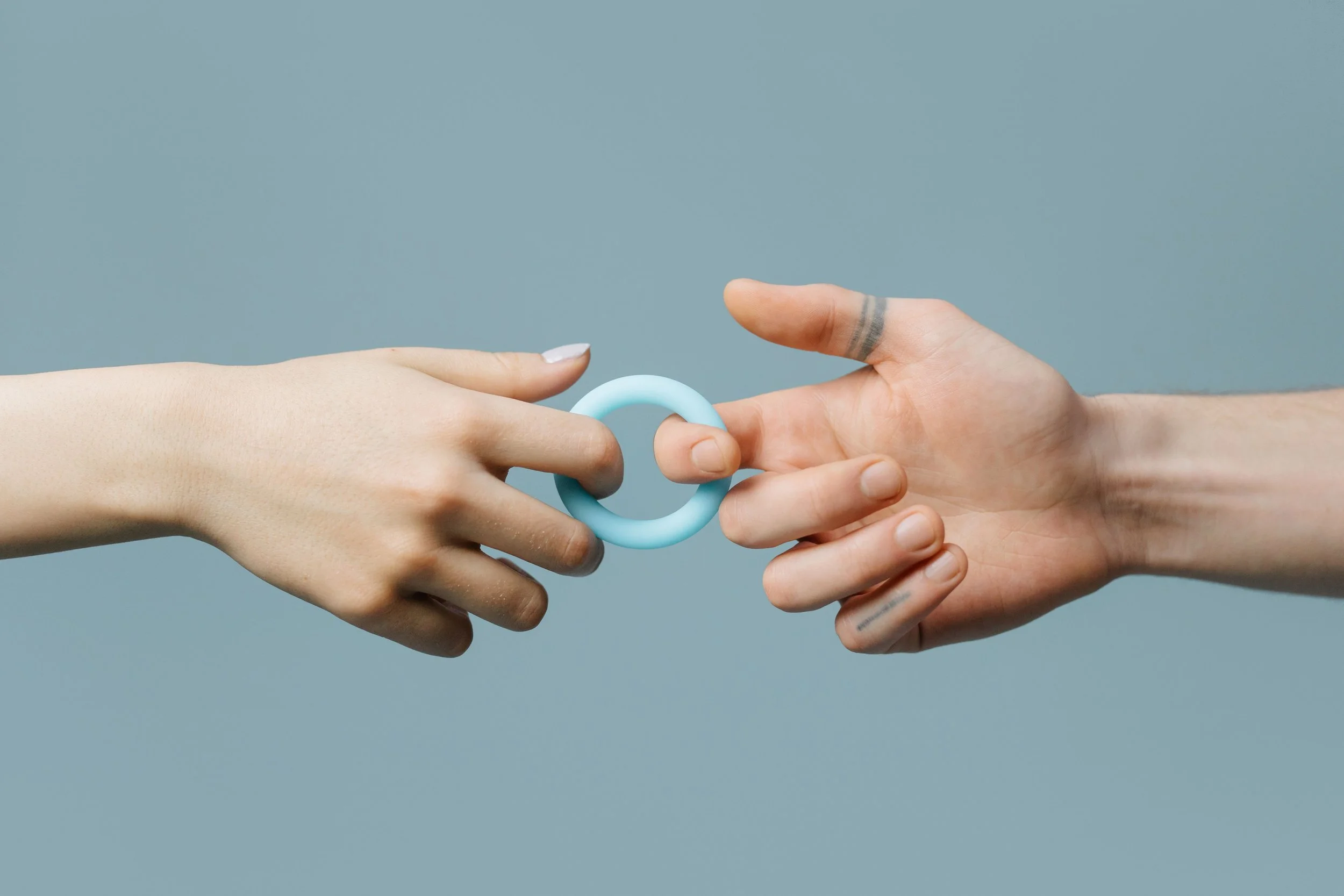
The third component involves some practical supports. Some men seek out medication such as Viagra, Cialis, and other erectile dysfunction medications. Medical health professionals can prescribe these types of support and review potential health concerns and possible side-effects.
Non-medical supports such as cock rings can also help. They fit around the base of the cock and balls and help keep the penis erect by limiting blood from leaving. These are usually silicone or metal. It’s important that, while fitting snugly, they are not uncomfortably tight or worn for long periods of time: no more than 20–30 minutes. They come in multiple sizes to accommodate different people. There is also the lasso type, which is easily adjustable.
A safety note about using a cock ring: remove it right away if you notice pain, numbness, coldness, or colour change, and never sleep in one. If you take blood thinners, check with your doctor first. Beginners may find silicone or adjustable rings easier, since metal ones can be hard to remove.
Moving Forward
Struggling with getting or keeping an erection during sex can be a really frustrating and isolating experience, and many men have navigated this journey to find the sex they desire to have. As a sex therapist, I value providing men clear steps forward to improving their sex and, more importantly, their relationship with themselves. If this resonated with you, I would love to work with you directly in this journey; please reach out and book an initial session or consultation. Sex therapy services through Evans-Carlson Counselling are available virtually throughout British Columbia, Canada.
David Carlson MA, RCC*
*Currently applying for formal sex therapy certification with AASECT (American Association of Sexuality Educators, Counselors, & Therapists) and enrolled in further sex therapy training through the Sexual Health Alliance.
